
Key Takeaways
- Advantages of festive ABA exercises
- Innovative seasonal ABA tasks
- Integrating holiday events into ABA treatment
- Addressing obstacles in festive ABA activities
- Organizing captivating holiday events for ABA sessions
- Team-based seasonal challenges in ABA
Benefits of Holiday ABA Activities
Holiday ABA activities offer numerous benefits that enhance the developmental growth of children during the festive season. Engaging in activities related to the holiday season, such as crafting decorations or exploring holiday lights, creates a joyful atmosphere conducive to learning. These rituals, whether through Thanksgiving or Christmas themes, can facilitate social interactions and promote communication skills in a natural context. ABA therapy can be seamlessly integrated with holiday activities, allowing for skill building while enjoying the spirit of the celebration. The unique elements of each holiday provide opportunities to tailor sessions, ensuring they resonate with individual needs and preferences.
Enhancing Social Skills Through Seasonal Engagement
Holiday ABA activities provide unique opportunities for children to enhance their social skills through seasonal engagement. Participating in certain holiday activities, such as preparing food or creating decorations, fosters interactions among peers. These experiences allow children to practice sharing, taking turns, and communicating effectively. By incorporating applied behavioral analysis (ABA) therapy techniques, these holiday activities become more than just fun—they serve as essential tools for skill development.
Many holiday activities encourage teamwork and collaboration, making them ideal for promoting socialization. Cool holiday activities like group crafts or festive games can create a lively environment where children learn to navigate social cues. Free holiday activities, such as volunteering or participating in community celebrations, also offer valuable experiences for practicing social skills. These structured interactions during holiday preparations allow children to build confidence and develop meaningful connections with their peers.
Promoting Communication During Festive Occasions
Holiday ABA activities can serve as a fantastic platform for enhancing communication skills during festive occasions. Engaging in holiday festivities allows children to participate in conversations about certain holiday traditions, such as favorite decorations or foods. Activities like decorating a tree or preparing holiday meals encourage interactions, building confidence in expressing ideas and feelings. The excitement of holiday events provides a natural backdrop for practicing conversational turn-taking and active listening, essential components of effective communication.
Creating a holiday environment filled with social interactions also supports communication development. Holiday gatherings often involve various activities that can be adapted for all skill levels. For instance, almost-free holiday activities like exchanging cards or sharing stories about holiday traditions can facilitate dialogue. These interactions promote not only verbal communication but also non-verbal cues, allowing children to express themselves in diverse ways during holiday celebrations. Embracing these moments can lead to exceptional holiday experiences that foster lasting communication skills.
Creative Holiday ABA Activities
Engaging in holiday ABA activities allows for meaningful skill development while embracing festive themes. With upcoming holiday events, ABA centers can implement tailored creative approaches that align with the season. Themed crafts and art projects provide an inclusive holiday experience, encouraging participants to express themselves while practicing fine motor skills. Utilizing holiday outfits can also enhance engagement as children connect with the festive spirit. Incorporating interactive games and group activities fosters teamwork and enhances social interactions, essential components of effective ABA services. These creative solutions can help mitigate challenges posed by holiday changes, ensuring a positive experience for all involved.
Themed Crafts and Art Projects
Holiday ABA activities offer the perfect opportunity to incorporate themed crafts and art projects that resonate with various holiday elements. ABA practitioners can utilize these festive activities to create engaging and interactive experiences that align with ABA goals. Through the use of holiday-specific scenarios, children can explore their creativity while developing essential skills. By focusing on small holiday crafts, such as making decorations or cards, the interventions not only foster artistic expression but also enhance social interactions among peers.
Effective ABA strategies can be integrated into themed projects, allowing children to practice their skills in a joyful, supportive environment. The combination of art with holiday festivities creates a meaningful context for learning during this time of year. ABA interventions centered around these creative activities can lead to significant progress in a child’s ABA journey towards improved communication and social development. Celebrating happy holidays through crafts not only nurtures individual growth but also strengthens connections among participants.
Interactive Games and Group Activities
Engaging children in interactive games and group activities during the upcoming holiday season can significantly enhance their participation in holiday ABA activities. Activities that incorporate ABA principles encourage children to work together, fostering teamwork and social interaction. An ABA provider can create planned activities that align with the themes of friendly Christmas activities, utilizing a visual holiday schedule to help children anticipate and enjoy what’s to come. This structured approach not only enhances engagement but also promotes positive behavior during holiday breaks.
Creating opportunities for interactive play allows children to practice essential social skills in a fun and festive environment. By selecting holiday season approaches that are both enjoyable and educational, children can learn to communicate effectively and express themselves within a group. Including holiday ABA activities that emphasize collaboration can help each child connect with their peers, making the holiday season a joyful experience. The right activities during this time can lead to lasting memories and valuable skill development.
Incorporating Holiday Activities into ABA Therapy
In the bustling holiday season, therapists can effectively integrate holiday ABA activities with everyday activities to enhance learning. Engaging clients in holiday food preparation can serve as an effective ABA tip, allowing practitioners to teach essential skills while enjoying festive tasks. Incorporating holiday music into sessions can create a joyful atmosphere that promotes participation. By utilizing a few ABA strategies, such as adapting activities to match individual needs, therapists can ensure that different activities remain accessible and enjoyable for all clients. These approaches not only support skill building but also foster a sense of inclusion during festive celebrations, ultimately contributing to overall ABA success.
Using Familiar Traditions for Skill Building
Familiar traditions can play a vital role in holiday ABA activities. These traditions provide a sense of comfort for children with autism, making the holiday season feel more engaging and manageable. Incorporating expected activities, such as preparing a holiday meal or singing along to gentle holiday music, can create a familiar framework. This familiarity can help participants feel secure as they explore new activities and fresh traditions amidst the celebrations.
Introducing non-preferred activities through the lens of cherished traditions can also enhance skill-building. For example, using holiday-themed crafts tied to a family celebration allows therapists to incorporate ABA therapy principles while maintaining an enjoyable atmosphere. This approach helps children navigate transitions and manage their feelings during the holiday season, ultimately supporting their growth and social development through meaningful interactions.
- Use cooking as a way to practice measuring and following directions.
- Create a holiday music playlist to encourage rhythm and timing in movement activities.
- Organize a family game night to foster social skills and teamwork.
- Develop a holiday-themed reading corner to promote literacy through familiar stories.
- Incorporate traditional storytelling to enhance listening and comprehension skills.
- Use decorations as a way to practice colors, shapes, and fine motor skills.
- Encourage participation in gift-giving to teach empathy and understanding of others’ feelings.
Adapting Activities for Individual Needs
Holiday ABA activities can be customized to meet individual needs, ensuring that every child feels included in the festivities. Utilizing tailored ABA therapy methods allows the expert ABA team to design experiences that resonate with each child’s preferences and strengths. For example, incorporating holiday meal prep activities can enhance life skills while celebrating friendly traditions. Creating crafts like holiday pillows provides sensory engagement and fosters creativity, making the learning process enjoyable and aligned with their interests.
Adjusting activities to fit the unique requirements of each child promotes effective ABA progress year-round. By focusing on specific goals within the context of holiday celebrations, therapists can maintain engagement and support skill development. Themed activities can be modified to suit various sensory preferences, ensuring comfort and enjoyment during the holiday season. Emphasizing inclusivity through familiar traditions within the holiday ABA activities enhances the overall experience for everyone involved.
Overcoming Challenges in Holiday ABA Activities
Navigating holiday ABA activities during festive gatherings can present unique challenges for many families. Sensory sensitivities may arise during celebrations, especially with excitement around characters like Santa or when incorporating daily rituals tied to family traditions. ABA therapists can play a crucial role in adapting activities to ensure all participants can enjoy the festivities. By building on previous traditions and selecting activities tailored to individual needs, therapists can create a more inclusive environment. This thoughtful approach helps children engage in holiday ABA activities meaningfully while fostering social connections and easing transitions during busy gatherings.
Addressing Sensory Sensitivities During Celebrations
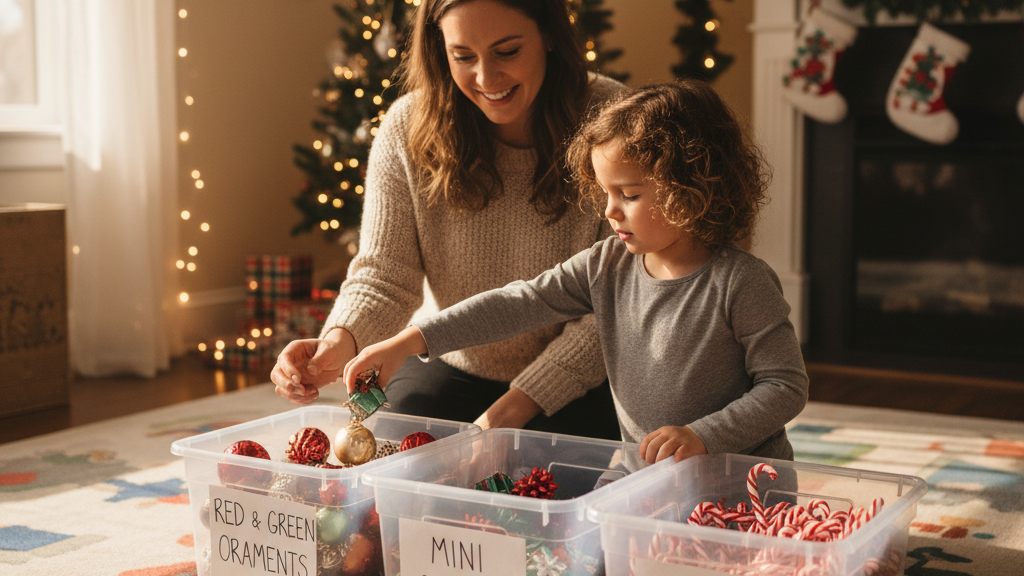
Celebrations often involve a variety of sensory experiences, from vibrant decorations to bustling social gatherings. This can be overwhelming for individuals with sensory sensitivities. Implementing holiday ABA activities that consider these sensitivities is essential for promoting enjoyment. Engaging qualified ABA experts can help tailor activities to accommodate different sensory needs while still including traditions like food-related activities or trips to local attractions. A well-planned environment can significantly enhance the experience.
Creating a sensory-friendly atmosphere during holiday ABA activities can minimize discomfort. This may involve selecting outdoor settings where natural sounds can provide a calming backdrop away from the chaos. Ensuring that responsibilities are balanced with fun activities allows for a smoother experience. Engaging participants in decorating or preparing food-related activities can also serve as a gentle introduction to social interactions. Incorporating these adjustments can make celebrations more enjoyable for everyone involved.
| Activity Type | Sensory Considerations | Suggested Modifications |
|---|---|---|
| Decorating | Bright lights and loud music | Use soft lighting and calming instrumental music |
| Food Preparation | Strong odors and bustling kitchen | Prepare simpler recipes with familiar ingredients |
| Outdoor Gatherings | Crowded spaces and loud noises | Select less crowded parks and provide noise-canceling headphones |
| Social Interactions | Overstimulating conversations | Create small group activities to promote calm interactions |
| Celebration Events | Unpredictable schedules | Use visual schedules to outline the day’s activities |
Strategies for Managing Expectations and Transitions
Managing expectations during holiday ABA activities is crucial to ensure a positive experience for everyone involved. Creating a holiday calendar can help outline the days dedicated to potential activities, such as making homemade decorations and organizing family gatherings. Involving children in the planning process fosters a sense of ownership and excitement. This approach can also prepare them for travel days or changes in routine, allowing them to transition more smoothly between the festive spirit of holiday gatherings and their regular ABA therapy sessions.
Effective transitions during busy holiday periods require careful attention. Prep activities focused on the upcoming changes can ease anxiety associated with new environments or social situations. Top-tier ABA therapy incorporates strategies that teach children how to express their feelings and understand the dynamics of community celebrations. Implementing a structured schedule that highlights both holiday ABA activities and predictable routines will support children in navigating the emotional landscape of the holiday season.
Planning Engaging Holiday Activities for ABA Sessions
Creating a structured schedule for holiday ABA activities can greatly enhance the engagement and effectiveness of therapy sessions. This involves selecting specific decorations and items that resonate with the festive spirit while remaining mindful of participants’ individual preferences, such as their favorite calming items. By incorporating familiar elements from day-to-day life, such as seasonal crafts or community settings, therapists can facilitate a smoother journey through various holiday events. Tailoring activities to include items that align with the interests of those involved ensures that each session remains stimulating and enjoyable, creating a positive experience as they navigate the fun things that come with the holiday season.
Creating a Structured Schedule for Success
Effective event planning for holiday ABA activities requires a structured schedule that accommodates both the needs of the participants and the dynamics of large gatherings. Organizing these schedules helps facilitate participation during beautiful celebrations, allowing everyone to engage meaningfully. Incorporating aba-inspired tweaks can enhance practices by aligning activities with the goals of ABA therapy while ensuring that guests feel comfortable and involved. A thoughtful approach to scheduling cultivates an environment that promotes social interactions and positive experiences.
Considering the various elements of holiday ABA activities, a well-prepared schedule allows for a fluid transition between different endeavors. Each segment of the itinerary can reflect the festive spirit while remaining focused on skill-building objectives. Being thankful for the opportunity to celebrate together can motivate both participants and facilitators. Tailoring these schedules to individual needs ensures that everyone can reap the benefits of enjoyable and enriching experiences during the holidays.
| Activity | Time | Location | Facilitator |
|---|---|---|---|
| Holiday Crafts | 10:00 AM – 11:00 AM | Main Hall | Maria |
| Group Games | 11:15 AM – 12:15 PM | Outdoor Area | James |
| Story Time | 12:30 PM – 1:00 PM | Library | Lucy |
| Lunch Break | 1:15 PM – 2:00 PM | Dining Room | N/A |
| Music & Dance | 2:15 PM – 3:15 PM | Main Hall | Tom |
Selecting Age-Appropriate Activities
Age-appropriate holiday ABA activities play a crucial role during special events like Christmas morning. Choosing activities that align with a child’s developmental level fosters engagement and enhances participation. Structured tasks can provide a sense of place and familiarity, allowing children to experience temporary relief from the holiday hustle. This awareness of skill levels ensures that each child can enjoy the celebrations while feeling included.
Selecting the right activities can also create a calming environment, essential for children who may struggle with overwhelming stimuli. Activities should be adaptable, taking into account the availability of materials and the children’s interest levels. By emphasizing involvement and the joy of holidays, educators and parents can craft a series of holiday ABA activities that keep children engaged without triggering sensory overload.
Collaborative Holiday Challenges in ABA
The season of holiday ABA activities brings both excitement and challenges for practitioners. Many children thrive on routine, making it essential to create a structured environment that integrates holiday themes without overwhelming sensory experiences. To avoid decorations that may trigger discomfort, careful preparations ensure that ornaments and festive elements are introduced gradually. Today, placing a focus on interactive and engaging activities helps to relieve stress and prevent disruptions. As therapists collaborate to design experiences that meet individual needs, they can effectively stop potential issues before they arise and create a supportive atmosphere for all participants.
- Develop a consistent schedule that includes holiday-themed activities.
- Involve families in the planning process to tailor experiences to the child’s preferences.
- Use sensory-friendly decorations and materials to minimize discomfort.
- Incorporate social stories to prepare children for changes and new experiences.
- Encourage peer interactions through group activities and games.
- Monitor reactions closely and be ready to modify activities as needed.
- Celebrate achievements and milestones throughout the holiday season to boost morale.
Conclusion
Holiday ABA activities offer a joyful way to address the unique needs of individuals and help them achieve their goals in a festive environment. Engaging in these activities not only fosters social skills and communication but also encourages creativity and collaboration. By aligning holiday themes with ABA principles, practitioners can create memorable experiences that resonate with participants. Tailoring these activities ensures that everyone is included, making the holiday season a time of growth and celebration in the therapy setting.
FAQS
How can I incorporate a holidays challenge aba for my child while planning for the next holiday event?
To help your child enjoy holiday activities, consider daily activities that align with aba therapy explore techniques. You can create a prep activity for them that focuses on strategies to manage the holiday stress often experienced by those with autism. Outdoor activities can be integrated into planning a typical trip to various places, ensuring that your child’s unique needs are met with aba therapy expertise.
What are some outdoor activities that can help manage autism during the next holiday event?
To effectively manage autism during the next holiday event, consider incorporating outdoor activities that provide sensory experiences and opportunities for social interaction. Ideas include organizing a nature scavenger hunt, setting up a sensory-friendly obstacle course, or planning a picnic at a local park. Engaging in these outdoor activities can make the holiday event more enjoyable and less overwhelming for children with autism.
What are some additional strategies to help autism manage during outdoor holiday activities?
To effectively manage autism during outdoor holiday activities, consider creating a structured schedule that includes breaks and familiar routines. Engaging in small group activities, providing a calm space for downtime, and preparing sensory tools can also help children feel more comfortable. Additionally, planning activities such as nature walks or holiday-themed scavenger hunts can provide interactive outdoor experiences that encourage participation while ensuring a safe environment.
What are some indoor holiday activities that can help autism manage during family gatherings?
Indoor activities such as arts and crafts, sensory bins, or calming spaces can help autism manage during family gatherings. It’s important to create a relaxed environment with engaging activities that cater to the child’s interests, ensuring a positive experience even indoors.
What are some effective strategies for helping autism manage during outdoor holiday events?
To help autism manage during outdoor holiday events, consider implementing structured routines, providing sensory breaks, and using visual supports. Engaging in planned outdoor activities that align with their interests can also be beneficial to ensure a positive experience during the holiday.
What are some engaging outdoor holiday activities that can help autism manage during festive gatherings?
Incorporating engaging outdoor holiday activities such as sensory-friendly games, nature walks, and festive scavenger hunts can significantly help autism manage holiday stress during festive gatherings. These activities not only promote social interaction but also create a calming environment for individuals with autism manage holiday pressures.
What are some innovative outdoor ABA activities that can benefit children during holiday celebrations?
Engaging in outdoor ABA activities during holiday celebrations can significantly help children with autism. Activities such as nature scavenger hunts, sensory-friendly holiday fairs, or interactive outdoor games are excellent ways to encourage participation and social interaction. These activities make use of the outdoors to create a stimulating environment that can aid in managing autism challenges during festive occasions.